
- Last Updated: October 2026
Slip and Fall and Premises Liability Attorney Serving New York, Connecticut, and New Jersey
Injured by a dangerous property condition in New York, Connecticut, or New Jersey? Contact Eddy & Associates for a free premises liability consultation.
Elmhurst, NY (212) 459-1800 · Westport, CT (203) 341-9808
Premises Liability Claims
A fall alone does not establish liability. The claim usually turns on the dangerous condition, control of the area, whether the responsible party created or knew about the hazard, and whether reasonable corrective or warning steps were taken.
Common Property Hazards
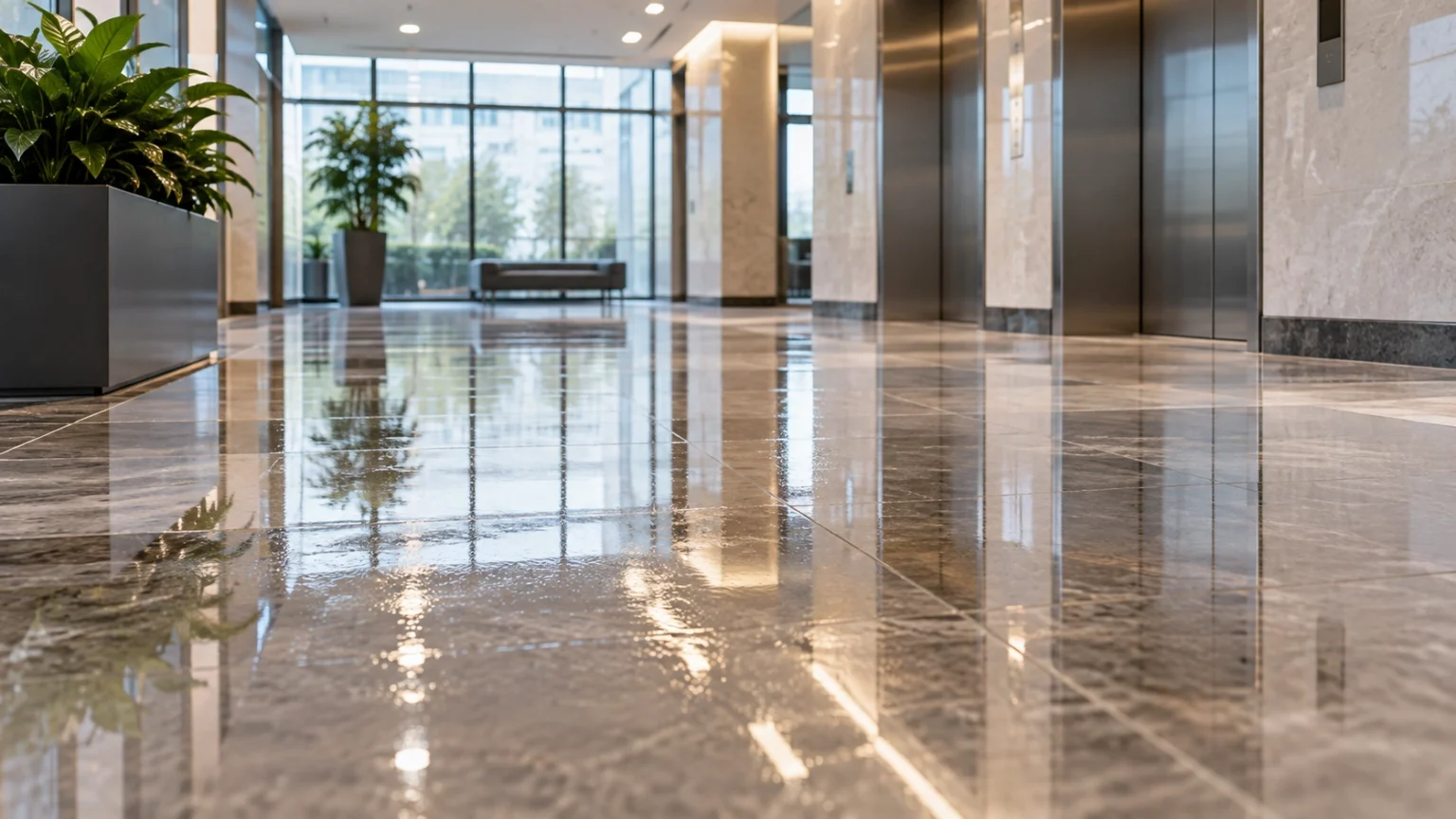
Wet or slippery floors.
Ice and snow.
Broken or uneven surfaces.
Defective stairs and handrails.
Poor lighting.
Obstructed walkways.
Elevator, escalator, or door defects.
What to Do After a Fall
Get medical care.
Report the incident and request a report number or copy.
Photograph or video the exact hazard and surrounding conditions.
Identify witnesses.
Preserve shoes, clothing, photographs, and records. Avoid detailed online statements or releases.
How New York, Connecticut, and New Jersey Premises Claims Differ
Core Liability
New York and Connecticut generally require evidence connecting a dangerous condition to the injury and notice or creation of the condition by a responsible party.
New York City Sidewalks
New York City Administrative Code Section 7-210 generally places responsibility for reasonably safe sidewalks on abutting property owners, subject to important exceptions.
Snow and Ice
Government Property
Claims involving public property may require special notices and shorter deadlines.
Partial Fault
New York reduces compensation by the injured person’s percentage of fault. Connecticut can bar recovery when the injured person’s share reaches the statutory limit.
Actual and Constructive Notice
Actual notice means the responsible party knew about the condition. Constructive notice generally means the condition was visible and existed long enough that reasonable inspection should have discovered it.
How Eddy & Associates Helps
Evidence preservation, including surveillance footage, inspection logs, maintenance records, weather information, and witnesses.
Investigation of owners, occupiers, landlords, tenants, managers, contractors, businesses, and government entities.
Claim presentation, negotiation, and litigation.
Compensation That May Be Available
Medical care and future treatment.
Lost wages and reduced earning capacity.
Pain and suffering and reduced quality of life.
Scarring, impairment, or reduced mobility.
Reasonable out-of-pocket expenses.
Wrongful death damages in a fatal incident.
New Jersey
New Jersey premises cases turn on the relationship of the parties and the totality of the circumstances, including notice. A business generally owes the highest duty to customers and others invited onto the property, including a duty to inspect for dangerous conditions. A property owner who created a hazard, or who knew or should have known about it and failed to correct it, may be responsible.
New Jersey recognizes a mode of operation rule in some retail settings. Where a business operates in a way that makes a hazard reasonably foreseeable, an injured customer may not need to prove that the business had specific notice of the particular hazard. Whether the rule applies depends on the type of business and how the area was operated.
Residential and public property claims follow different rules again, and claims involving a public entity carry their own notice requirements that can be much shorter than an ordinary filing deadline.
Frequently Asked Questions
What must I prove in a slip and fall case?
You generally must connect a dangerous condition to the fall and show a responsible party created it or had actual or constructive notice.
What is constructive notice?
It generally means the condition was visible and existed long enough that reasonable inspection should have discovered it.
What if the fall happened on public property?
Special notice rules and shorter deadlines may apply. Prompt review is important.